A quick glance at daily routines reveals how easily habits shape our activity levels. When people focus on small changes for active lifestyle improvements, they can notice results faster than anticipated.
Adding a few extra steps throughout the day benefits more than just physical health; it uplifts mood and sharpens mental clarity. Little tweaks compound, similar to saving spare change in a jar.
Those new to embracing a more active lifestyle can explore this article to find practical, relatable ways to take action. No exhaustive routines or gym memberships are necessary.
If you want simple strategies for a sustainable shift, read on for tips that center on small changes for active lifestyle goals anyone can personalize. You’ll find actionable steps and real-world scripts.
Building Momentum Through Everyday Routines
Recognizing movement opportunities in daily routines helps you build sustainable habits. Small changes for active lifestyle progress integrate into rituals, making activity feel effortless.
Think of moments like brushing your teeth, waiting for coffee, or commuting. These everyday pockets of time can add up when used mindfully for gentle movement or stretch breaks.
Making Mornings Productive With Movement
Setting the tone for an active day begins with movement. While waiting for coffee, walk around your kitchen. Say aloud, “I’ll take three laps before sitting down this morning.”
Try calf raises as you brush your teeth. It looks simple and feels manageable, yet this tiny habit strengthens lower legs over weeks. An active start ripples through the day.
During morning news or podcasts, do seated twists or overhead stretches. Even three minutes can transition a sleepy mind into alertness. Small changes for active lifestyle improvements begin at sunrise.
Plan one active task before breakfast, like tidying up a room or putting away dishes briskly. This boosts energy and reminds you movement fits naturally into any schedule.
Leveraging Transition Times for Activity
Transition times—walking to meetings, taking out the trash, or navigating the hallway—become opportunities. Add purposeful steps. For example, “I’ll use the farthest bathroom today instead of the closer one.”
Use phone calls as cues to get up and pace around the home or office instead of staying seated. Introduce this change by saying, “I’ll walk while talking from now on.”
Try standing calf raises or arm circles while microwaving lunch. These micro-movements count more than they seem over time, both for mobility and mood.
End each transition with a stretch or shoulder roll. This rewards you and solidifies the habit, reinforcing your new active baseline.
| Routine Task | Movement Add-On | Frequency | Takeaway Action |
|---|---|---|---|
| Brushing Teeth | Calf raises | 2 times daily | Pair with morning/night brushing for habit stacking |
| Morning Coffee | 3 laps around kitchen | Every morning | Establish before sitting down to set energy for the day |
| Taking Calls | Pacing or step taps | Each call | Say “walk and talk” before calls as a reminder |
| Watching TV | Standing stretches during commercials | Nightly | Schedule during natural show breaks |
| Waiting for Microwave | Shoulder/neck rolls | Lunch/dinner | Connect cue to beep of microwave for easy recall |
Turning Short Walks Into a Daily Energy Booster
Every short walk is an easy way to re-energize and maintain momentum. Embedding small changes for active lifestyle is accessible—your starting line could be just outside your door.
Choosing to walk for five minutes after lunch, instead of checking notifications, creates a sustainable pattern. Over time, these minutes accumulate and support long-term wellness.
Transforming Errands Into Step Opportunities
Small errands, like grocery shopping or returning books, are occasions to rack up steps. Park farther away and say, “I’ll add 300 steps and save convenient spots for others.”
Bring a reusable shopping bag and carry groceries one at a time to the kitchen. The repetition acts as functional strength-building. Notice a gradual improvement in grip and leg strength.
At the post office, choose to stand in line and practice good posture. Engage your core and subtly alternate shifting your weight. This keeps your body active while waiting.
When picking up dry cleaning or mail, add a lap around the building or block. Say, “I reward each errand with a circle before heading home.” Consistency brings results.
- Choose stairs over elevators: Skipping the elevator uses more muscle, boosts heart rate, and only adds a minute or two to daily routines.
- Use the furthest parking spot: Parking away from the entrance guarantees extra steps, helps warm you up, and removes decision fatigue for active choices.
- Walk during breaks: Set a timer for each hour, using break time to walk, even if briefly, enhancing circulation and reducing muscle tension from sitting.
- Take the long route indoors: Walk the perimeter of grocery stores or workplaces rather than the direct route, increasing step count naturally and promoting better mobility.
- Walk family or pets daily: Schedule walks as a bonding activity, ensuring consistency. Even short rounds with a pet help reinforce the small changes for active lifestyle strategy.
Small rewards, like listening to favorite music during these walks, turn positive routines into something you’ll look forward to daily.
Incorporating Walks for Social Connections
Invite friends or coworkers for short moving meetings: “Let’s catch up while walking, not just sitting.” This shifts the social default to movement, supporting well-being and connection.
Use video calls as a cue to walk in place. Place your device on a steady surface, and keep conversation flowing while moving, even if the steps are small.
- Suggest walking book clubs: Meet to discuss chapters while strolling through a park, melding learning with motion, and enjoying community.
- Make walking part of family traditions: Create routines like after-dinner walks, cementing movement as a shared value.
- Organize neighborhood step challenges: Encourage accountability while keeping it friendly. Social support reinforces the small changes for active lifestyle formula.
- Combine walks with daily mindfulness: Focus on each breath, step, and sound. This ties movement to stress relief as well as physical health gains.
- Record progress with a step journal: Track how walks improve mood and stamina, keeping motivation high and habits anchored.
Layering social elements transforms activity from a chore into an anticipated event each day. Shared routines stick longer and fuel positive cycles.
Integrating Active Breaks at Work and Home
Productivity rises when regular movement breaks are part of the plan. Viewing these as non-negotiable meetings for your body helps small changes for active lifestyle take root.
Schedule standing breaks every hour: Set a phone alarm or desk reminder, and commit to standing or stretching for two to three minutes each time.
Making Desk Stretches Convenient
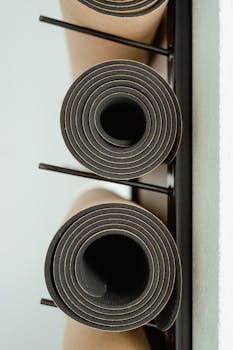
Desk stretches become more accessible if you remove barriers. Lay a yoga mat or towel under your desk as a visible cue to stretch while reading emails or waiting for responses.
Try side stretches with one hand overhead during calls. Finish each stretch with deep breaths to reset focus. Small changes for active lifestyle go beyond cardio and build overall resilience.
Incorporate wrist rolls, gentle neck turns, and ankle circles every time you shift tasks. This supports joint health and keeps your mind engaged.
End each session by standing for thirty seconds, unlocking hips and knees, and returning to work feeling more awake and centered.
Batching Chores Into Active Bursts
Grouping household chores, such as sweeping, washing dishes, or laundry, into ten-minute intervals transforms them into focused bursts of activity.
Play energetic music and announce aloud, “I’ll do dishes in a dance-step pace.” Use this tempo for all light chores, as these tiny changes accelerate calorie burn.
Laundry folding becomes a time to practice lunges. Lay clothes out on a low surface and return to a standing position after each fold, adding functional movement to a familiar task.
Assign mini-challenges: “How many squats can I sneak in while the kettle boils?” Make each session a game, celebrating small wins for extra motivation.
Creating Sustainable Routines for All Seasons
Adapting movement habits to weather or daily life changes ensures you stay on track. This flexibility guarantees small changes for active lifestyle patterns don’t falter when circumstances shift.
Identify indoor and outdoor movement options you enjoy, listing at least three alternatives per season. This makes activity a certainty, not a contingency, regardless of rain or snow.
Adjusting Activities for Weather
Cold days might mean walking in malls, climbing home stairs, or using YouTube exercise videos for five-minute routines. Say, “I’ll swap my outdoor loop for inside laps tonight.”
Hot weather calls for shady walks early or late. Hydrate and use fans when doing indoor chores. Small changes for active lifestyle don’t require disruptions—just tweaks in timing and environment.
Spring and fall bring fresh opportunities for gardening, raking, or spontaneous park meetups. Treat seasonal chores as workout replacements to keep momentum alive.
Always keep walking shoes and a water bottle by the door as a readiness cue. Out-of-sight items often trigger inaction; keep movement visible and accessible so you’re ready for any condition.
Keeping Traditions Alive With Movement
Weave activity into family events, like group hikes or after-dinner strolls. Propose, “Let’s do our holiday check-in while we walk the block.”
Birthday parties can feature quick games or playful step challenges, even indoors. Focus on laughter and fun to anchor positive associations with movement.
Rainy weekends become occasions for dance sessions, hallway races, or indoor obstacle courses. These are memorable ways to embed small changes for active lifestyle thinking in kids and adults alike.
Preserve flexibility by scheduling a backup plan for every routine, reducing the chance of skipped activity. If Plan A fails, jump to Plan B instantly.
Elevating Motivation: Tracking Progress and Celebrating Wins
Tracking achievements builds motivation, showing how small changes for active lifestyle efforts pay off. Using journals, apps, or pen-and-paper charts, record steps, minutes of movement, or new activities weekly.
Visual reminders—a sticker on a calendar for each successful active break—create satisfaction. Celebrate streaks with a small reward, like a favorite tea or new book.
Setting Simple, Concrete Goals
Start each week with something tangible, such as “Add 500 extra steps each day” or “Try one new stretch before dinner.” Aim low for guaranteed wins, then build gradually.
Publicly commit to one shift, for example: “I’ll park in the far lot every day.” Share with a friend or family member for accountability and support.
Post a sticky note on your bathroom mirror. The message could read: “Small changes for active lifestyle count!” See it morning and night to reinforce intent.
At week’s end, reflect on what went well: Did you consistently hit your target? If not, adjust for success rather than giving up. Flexibility is a strength.
Highlighting Non-Scale Victories
Celebrate improved mood, quicker stamina, or easier mobility—not just numbers on a scale. Say, “Today I climbed stairs without stopping.” This shift boosts motivation for long-term small changes for active lifestyle gains.
Share achievements with friends, focusing on the feeling of accomplishment. Positive feedback loops sustain energy for the next week.
Reward consistency over perfection. Enjoy a relaxing bath, movie, or time outdoors when you complete a streak of daily movement.
Over time, these new habits become part of your identity, making active choices smoother and more natural every week.
Conclusion
Big results come from small changes for active lifestyle efforts, not giant leaps. Integrating brief movements throughout the day quickly adds up to meaningful health improvements.
Choosing to move a bit more at work, home, and during errands cements the shift into habit. Sustainable routines remain steady through all seasons and circumstances.
Tracking progress fosters motivation. Celebrate every success—big or small—and adjust routines if you stumble. Flexibility is the secret to long-term, active living.
Start now by picking one small, realistic action from this article. Every step you take brings you closer to an active, energized, and balanced lifestyle, every single day.