Stress creeps in when your day fills up, but physical activity for stress reduction brings relief with a single brisk walk or quick stretch between meetings.
Modern routines leave little downtime, so finding ways to recharge is essential. Regular movement supports both mind and body, making stress feel lighter and less daunting.
This article explores specific actions and practical routines you can try for immediate stress relief, using concrete advice and easy-to-follow examples anyone can apply today.
Let’s explore actionable steps with physical activity for stress reduction. Small lifestyle changes create measurable improvements you can see, feel, and repeat every day you need them.
Building Momentum: Small Actions to Ease Tension Fast
By setting up small, reliable habits, you create calm through repetition. Each new routine using physical activity for stress reduction paves the way for stress relief.
Simple steps unlock consistency: a daily five-minute stretch or crossing the parking lot a bit farther starts the momentum for lasting change you’ll notice.
Mini-Moves You Can Insert Into Busy Schedules
Set a reminder to stand up every hour; roll your shoulders while checking emails. Stretch your arms overhead while the coffee brews, and squat gently before sitting again.
Consider how a brisk walk down the hallway clears your mind. In this tiny change, you harness physical activity for stress reduction in less than two minutes every hour.
Pair routine activities with movement. Park farther from the entrance, or march in place during phone calls. These micro-actions provide brain breaks, shrinking overwhelm.
Use breathing exercises combined with movement. Try inhaling as you reach upward, exhale as you lower. Action and breath together magnify tension relief naturally.
Daily Rituals That Anchor a Calmer Mind
Create a morning ritual where you stretch for two minutes after waking. Attach movement to existing habits: after brushing your teeth or waiting for the microwave to beep.
Mid-afternoon pauses, like standing and reaching toward the ceiling at your desk, reset both posture and mind. You’ll notice productivity bounce back after these breaks.
Evening walks act as a physical marker for winding down from daily stressors. Physical activity for stress reduction prepares your brain for restful sleep and a peaceful mindset.
Record your routine with a calendar or app. Tracking streaks gives you visual proof: your subtle efforts create a daily shield against stress build-up.
| Situation | Type of Physical Activity | Time Needed | Immediate Action Step |
|---|---|---|---|
| Stressed at work | Desk stretches | 3 minutes | Stand, roll shoulders, neck tilt left and right |
| Feeling anxious | Brisk walking | 8 minutes | Walk around block, keep arms swinging, focus on breathing |
| After a long call | Simple yoga | 5 minutes | Child’s pose, downward dog, gentle spinal twist |
| Sitting too long | Calf raises | 2 minutes | Stand at desk, rise onto toes, lower slowly, repeat 12 times |
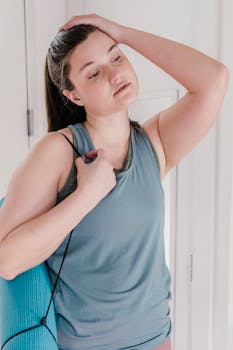
| Tense shoulders | Shoulder circles | 1 minute | Roll shoulders backward then forward, big circles, keep breathing |
Turning Movement Into a Built-In Stress Management Tool
Commit to movement routines and your stress toolkit grows stronger. Physical activity for stress reduction becomes a repeatable, go-to solution with reliable benefits.
Specific activities fit your unique lifestyle, so pick what’s easy now. The goal is to create ease of access. Make these moments automatic through environment cues.
Identify Triggers and Pair Them with Action Steps
Notice when pressure spikes—right before meetings or after tense conversations. Jot these triggers down, then pair each with a physical activity step you enjoy or tolerate.
For example, “After I send a difficult email, I stand and stretch.” This creates a cause-and-effect cycle using physical activity for stress reduction right where tension appears.
Use visible reminders: sticky notes, phone timers, or favorite music cues help you remember. Over time, these reminders become a habit loop tied to stress relief.
By responding with action not rumination, you interrupt the body’s stress signals and show your nervous system a new path to calm.
- Breathe deeply during each stretch: This sends a relax signal to your body, allowing you to physically and mentally reset with each routine micro-break.
- Add rhythmic tapping: Drum your fingers or tap your toes when feeling drained to stimulate alertness and subtly shift focus away from swirling thoughts.
- Shake out hands or feet: Physically releasing tension helps your body “let go.” Pair this with a mantra like “release” for both motion and mindful benefit.
- Sway side to side when waiting: Whether in line or at your desk, gentle shifting keeps energy moving and interrupts the freeze response that amplifies anxiety.
- March in place during phone calls: Light, repetitive motion grounds your focus and keeps you engaged without sitting passively through long discussions.
Each of these steps is a gentle reset, turning mindless waiting or slight discomfort into a moment of self-care.
Building Supportive Environments
Arrange your workspace with room to move. Lay a yoga mat under the desk or keep a tennis ball to roll under your feet for active breaks.
Adjust furniture height so that standing is more natural than sitting. Try a standing desk or a countertop for regular posture changes during routine tasks.
- Place a reminder note on your computer screen: “Stretch after every email batch”—this nudges you to take a micro-break when digital fatigue sets in.
- Keep a jump rope or resistance band near your workstation: When stress is high, grab the band for a brief, energizing set of pulls and stretches.
- Use calming scents like lavender or mint near your activity area: Scented cues reinforce the relaxation response whenever you pause for movement breaks.
- Set a daily step target visible on your phone: A visible goal helps anchor your intention and shows progress in real time, encouraging you to keep moving forward consistently.
- Share your goals with a colleague: Social accountability creates shared energy for regular movement, and a partner can prompt you to stick to your self-care plan.
Inviting your environment to support you increases success; cues and tools remind you that physical activity for stress reduction is always within reach.
Breaking Physical Slumps: Real Routines Anyone Can Start Today
When the day drags and tension builds, use a “movement menu” to avoid energy crashes. Physical activity for stress reduction becomes a first-line rescue, not a last resort.
Choose routines that fit mood and space: three wall push-ups before lunch, ten lunges after a call, or pacing the hallway after reading stressful news.
Checklists for Quick Action During Stressful Moments
Write a rapid-response checklist for tough situations, such as back-to-back meetings. Start with “stand, stretch arms overhead, take deep breath” as your go-to script.
If feeling trapped or tense, open a window or step outside briefly for fresh air paired with a few shoulder rolls. This combines a physical and sensory reset in seconds.
After a negative encounter or draining call, do three chair squats before sitting back down. This helps convert tension into movement, breaking up spirals of ruminative thought.
End each checklist with a statement like, “I’m moving forward physically and mentally.” That script reinforces progress and shifts your attention from stress to action.
Actionable Sequences That Reset Body and Mind
Try a simple flow: stand up, roll your ankles, stretch both arms overhead, then march in place for one minute. Each step guides your body from tension to motion.
Use the stairs: Climbing five steps back and forth twice triggers heart rate elevation and a mini endorphin boost—delivering physical activity for stress reduction without scheduling a workout.
Incorporate music. Play an upbeat track and let it cue you to sway, tap, or move along. Linking motion to rhythm taps into your natural drive to release energy.
Record which routines work best. Over the week, patterns emerge—reinforce these by making them a scheduled part of your day for when stress returns.
Choosing Activities That Match Your Energy and Environment
Adapting movement to match mood or setting increases success. Physical activity for stress reduction thrives when routines fit your lifestyle, not the other way around.
During quiet spells, choose calming stretches. After lunch, a walk outdoors revitalizes both mind and body. Adapting your approach keeps routines engaging and sustainable.
Scenario: Managing Midday Crash at the Office
Picture the clock striking 2 p.m.; energy fades and focus slips. Rather than reaching for caffeine, stand and do three sets of gentle calf raises beside your desk.
Take a lap around the office or stretch arms forward and up, inhaling deeply. These targeted steps ease mental fog and restore alertness fast with physical activity for stress reduction.
A colleague spots your action and joins, adding camaraderie and accountability. Two minutes of movement changes the entire team’s mood and productivity curve moving forward.
An easy takeaway: “After lunch, I move for two minutes before reopening my laptop.” This one habit can sustain energy through the afternoon without extra stimulants.
Scenario: Releasing Stress Before Evening Commitments
On returning home, insert a transition movement—walk around the block or do ten wall push-ups before starting chores. This physical reset breaks up mental residue from work.
Follow with a grounding stretch sequence: forward fold, gentle twist, breathing in for a count of four. These movements signal the brain: “Workday is done. New focus ahead.”
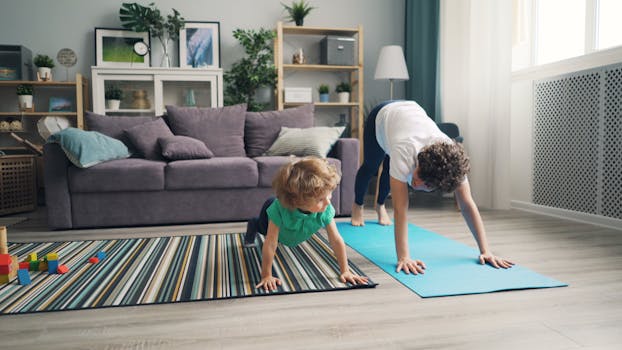
Encourage family members to join. Shared movement, playful or serious, creates connection while using physical activity for stress reduction together.
Takeaway phrase: “We move as a family before dinner. Two minutes, any activity we choose.” This ensures stress from the day doesn’t carry into evening routines.
Physical Activity as an Everyday Stress-Relief Habit
Making movement a core self-care practice, not a chore, supports resilience year-round. Physical activity for stress reduction enters daily life naturally with this mindset shift.
Experiment to find the best-fit actions. Some prefer morning walks; others use stretching between household chores. Keep what works visible and accessible for consistency.
Checklist for Smooth Habit Integration
Write and post a reminder: “Move before noon and after lunch” at your workspace. Link routines to visual cues for maximum follow-through throughout your week.
Track tiny wins: After each stress-reducing movement, jot a checkmark or add a sticker. Visible progress inspires continued effort by making benefits concrete.
Schedule check-ins with a partner: Brief texts like “I stretched” build camaraderie and social motivation for regular movement, even when energy feels low.
Reward consistency with small treats—a favorite tea after your walk, or an upbeat playlist for your stretch breaks. These extras create positive anticipation for your self-care.
Script for New Self-Talk Patterns
“I earn a stress break with every email batch finished.” Using movement as a reward turns routine work into opportunities for physical activity for stress reduction throughout your day.
“When I feel my jaw tense, I stand and swing my arms.” This self-talk connects mental signals with instant action, making body and mind allies against tension.
Repeat: “This walk recharges both energy and focus.” Rehearsing these phrases helps you internalize the habit and appreciate the immediate benefits from each small step.
Notice which scripts feel motivating. Use them often to cue movement and bolster your capacity to bounce back quickly from pressure.
Conclusion
Integrating movement into each day gives stress less space to build. Physical activity for stress reduction can become an effortless part of every routine, from small stretches to brief walks.
Simple actions restore mental energy, keep you calm under pressure, and prevent daily challenges from feeling overwhelming. Reach for movement first and notice long-term benefits accrue.
With a thoughtful blend of triggers, scripts, and supportive environments, anyone can build sustainable habits. Physical activity for stress reduction proves its benefit one choice at a time.
Try any tip covered—insert movement where pressure peaks. Shifting energy physically creates immediate relief and reshapes each day’s tone for more calm, clarity, and strength.